01 · Criteria Core SMILE candidacy criteria
| Criterion | Typical requirement |
|---|---|
| Age | 18 or older; most patients are 20–45 |
| Stable prescription | No significant change for at least 12 months |
| Myopia | Up to about −10.00 D, depending on corneal thickness |
| Astigmatism | Up to about −3.00 D |
| Cornea | Sufficient thickness and a regular, healthy shape |
| Eye health | No active infection, keratoconus or uncontrolled glaucoma |
02 · Self-check Quick self-check before you book
- I have worn the same glasses or contact-lens prescription for a year or more
- I am nearsighted, with or without astigmatism
- I do not have a diagnosis of keratoconus or corneal thinning
- I am not pregnant or breastfeeding
- I can stop contact lenses before the exam (1 week soft, 2–3 weeks rigid)
If you tick all five, you are a likely candidate. Send your prescription on WhatsApp for a free pre-assessment.
03 · Diagnostics What the pre-op eye exam measures
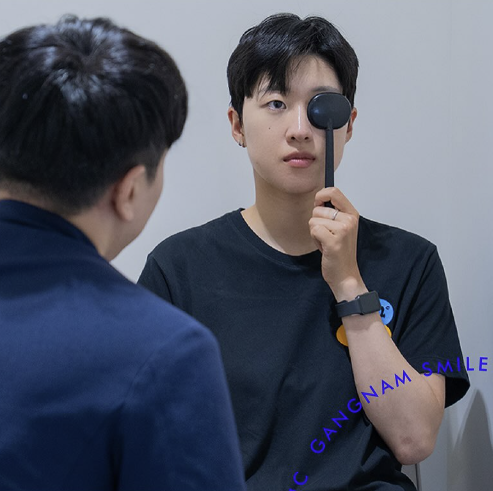
- Refraction & visual acuity
- Corneal thickness (pachymetry)
- Front & back corneal topography
- Pupil size & tear film
- Retina and eye pressure
These measurements decide the lenticule thickness the laser will remove and whether enough cornea remains afterwards. That is why two people with the same prescription can get different recommendations.
04 · Caution When SMILE is not recommended
Keratoconus or thin cornea
Removing tissue could weaken an already unstable cornea.
Changing prescription
Wait until your eyes have been stable for a year.
Pregnancy or breastfeeding
Hormonal shifts can change your refraction temporarily.
Active eye disease
Severe dry eye, infection or uncontrolled glaucoma must be treated first.
05 · Options Alternatives if you are not a candidate
Not suitable for SMILE doesn’t mean no option. LASEK/PRK may suit thinner corneas, LASIK can treat hyperopia, and ICL (implantable lens) corrects very high myopia without removing tissue — see our ICL clinic guide. Costs differ too; compare on the SMILE cost page.
FAQ Frequently asked questions
What is the minimum age for SMILE?
18, but most surgeons prefer patients whose prescription has been stable for at least 12 months, which usually means early 20s or older.
Can SMILE treat astigmatism?
Yes, typically up to about −3.00 diopters of astigmatism together with myopia.
Is there an upper age limit?
There is no strict limit, but after about 45 presbyopia and early lens changes may make other options more suitable.
I have thin corneas — can I still have SMILE?
Possibly not. Your surgeon will calculate the remaining corneal thickness; LASEK or ICL may be safer alternatives.
Do I need to stop wearing contact lenses?
Yes — usually 1 week for soft lenses and 2–3 weeks for rigid lenses before the diagnostic exam.
Medical review Who wrote and reviewed this guide
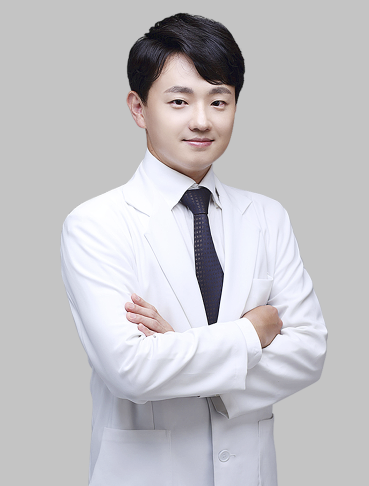
Medically reviewed by Dr. Dong-Joo Yeom, Ophthalmologist and Chief Director at Gangnam Smile Eye Clinic, a refractive-surgery clinic one minute from Gangnam Station Exit 10, Seoul.
Written by the Gangnam Smile Eye Clinic patient-education team with the clinic’s ophthalmologists Dr. Dong-Joo Yeom, Dr. Hyo-Sung Yoon and Dr. Sang-Jun Jung. Last updated
This page is general information, not a diagnosis. Suitability can only be confirmed after an in-person eye examination.